Back

Pranayama practice – the path to balance and peace
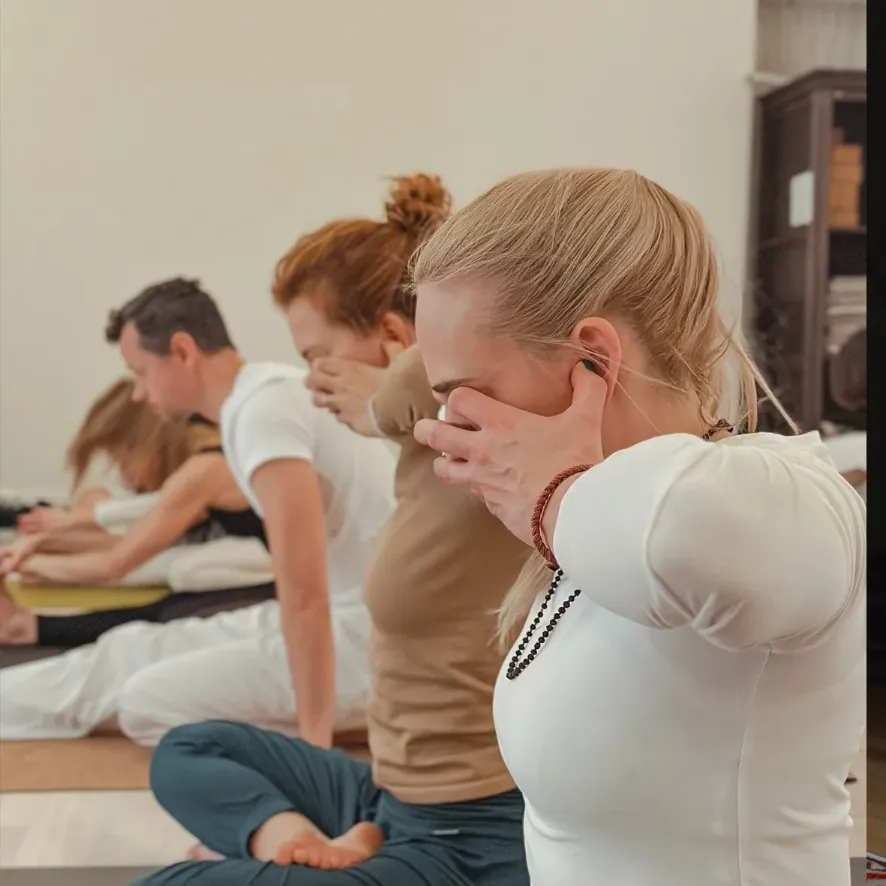
How often do we think about how important breathing is to us? Most of the time, a person breathes automatically. At the Mai Ram Yoga school, by practicing pranayama, we learn to become aware of our breath and consciously regulate it – thus providing immense benefits to our body and mind.
Pranayama is an integral part of the yoga tradition practice designed for regulating and accumulating vital energy in the body. It is a practice of conscious breathing, breath control, which not only improves the functioning of the whole organism, but also calms the mind, provides inner peace, and prepares the practitioner for meditation. Regular practice of pranayama harmonizes the flows of vital energy, strengthens the body and mind, providing inner balance.
Pranayama practice – the path to balance and peace
How often do we think about how important breathing is to us? Most of the time, a person breathes automatically. At the Mai Ram Yoga school, by practicing pranayama, we learn to become aware of our breath and consciously regulate it – thus providing immense benefits to our body and mind.
Pranayama is an integral part of the yoga tradition practice designed for regulating and accumulating vital energy in the body. It is a practice of conscious breathing, breath control, which not only improves the functioning of the whole organism, but also calms the mind, provides inner peace, and prepares the practitioner for meditation. Regular practice of pranayama harmonizes the flows of vital energy, strengthens the body and mind, providing inner balance.
Pranayama practice – the path to balance and peace
How often do we think about how important breathing is to us? Most of the time, a person breathes automatically. At the Mai Ram Yoga school, by practicing pranayama, we learn to become aware of our breath and consciously regulate it – thus providing immense benefits to our body and mind.
Pranayama is an integral part of the yoga tradition practice designed for regulating and accumulating vital energy in the body. It is a practice of conscious breathing, breath control, which not only improves the functioning of the whole organism, but also calms the mind, provides inner peace, and prepares the practitioner for meditation. Regular practice of pranayama harmonizes the flows of vital energy, strengthens the body and mind, providing inner balance.
What is pranayama?
Pranayama (Sanskrit: प्राणायाम prāṇāyāma, prana – vital energy, yama – control) is the practice of correct and conscious breathing, its regulation and control. Pranayama is the management of vital energy, prana, and the accumulation of its reserves through breath control practices. Breath control allows for regulating the flows of vital energy flowing in the human body through energy channels, nadis, which promotes physical and mental balance.
Breathing is closely related to the state of mind, close to the yogi's mind, so practicing pranayama calms the mind and reduces mind wandering, which is essential to prepare for meditation. In the yogic tradition, pranayama is the fourth limb of the eight limbs of yoga, which serves as an intermediary link between physical practice and inner spiritual practice. It helps the yogi focus attention, improves awareness, and prepares the mind for deeper meditation and spiritual yoga practice.
What is pranayama?
Pranayama (Sanskrit: प्राणायाम prāṇāyāma, prana – vital energy, yama – control) is the practice of correct and conscious breathing, its regulation and control. Pranayama is the management of vital energy, prana, and the accumulation of its reserves through breath control practices. Breath control allows for regulating the flows of vital energy flowing in the human body through energy channels, nadis, which promotes physical and mental balance.
Breathing is closely related to the state of mind, close to the yogi's mind, so practicing pranayama calms the mind and reduces mind wandering, which is essential to prepare for meditation. In the yogic tradition, pranayama is the fourth limb of the eight limbs of yoga, which serves as an intermediary link between physical practice and inner spiritual practice. It helps the yogi focus attention, improves awareness, and prepares the mind for deeper meditation and spiritual yoga practice.
What is pranayama?
Pranayama (Sanskrit: प्राणायाम prāṇāyāma, prana – vital energy, yama – control) is the practice of correct and conscious breathing, its regulation and control. Pranayama is the management of vital energy, prana, and the accumulation of its reserves through breath control practices. Breath control allows for regulating the flows of vital energy flowing in the human body through energy channels, nadis, which promotes physical and mental balance.
Breathing is closely related to the state of mind, close to the yogi's mind, so practicing pranayama calms the mind and reduces mind wandering, which is essential to prepare for meditation. In the yogic tradition, pranayama is the fourth limb of the eight limbs of yoga, which serves as an intermediary link between physical practice and inner spiritual practice. It helps the yogi focus attention, improves awareness, and prepares the mind for deeper meditation and spiritual yoga practice.
Benefits of pranayama for body and mind
The practice of pranayama promotes better functioning of the respiratory system, increases the level of oxygen in the blood, improves the body's resistance, helps cleanse the body of toxins, and strengthens the immune system. With regular practice of pranayama, a person can reduce stress, anxiety, and tension, and improve their mental state.
Breathing is closely related not only to the body's physical health but also to the human mind and its inner state. The practice of pranayama helps maintain mental balance, focusing attention on the inner sphere. By observing the breath, the senses begin to calm down, and as they quieten, the mind also calms. In this way, the practice of pranayama deepens the awareness of human essence, provides an understanding of life's manifestation, and contributes to spiritual growth.
Benefits of pranayama for body and mind
The practice of pranayama promotes better functioning of the respiratory system, increases the level of oxygen in the blood, improves the body's resistance, helps cleanse the body of toxins, and strengthens the immune system. With regular practice of pranayama, a person can reduce stress, anxiety, and tension, and improve their mental state.
Breathing is closely related not only to the body's physical health but also to the human mind and its inner state. The practice of pranayama helps maintain mental balance, focusing attention on the inner sphere. By observing the breath, the senses begin to calm down, and as they quieten, the mind also calms. In this way, the practice of pranayama deepens the awareness of human essence, provides an understanding of life's manifestation, and contributes to spiritual growth.
Benefits of pranayama for body and mind
The practice of pranayama promotes better functioning of the respiratory system, increases the level of oxygen in the blood, improves the body's resistance, helps cleanse the body of toxins, and strengthens the immune system. With regular practice of pranayama, a person can reduce stress, anxiety, and tension, and improve their mental state.
Breathing is closely related not only to the body's physical health but also to the human mind and its inner state. The practice of pranayama helps maintain mental balance, focusing attention on the inner sphere. By observing the breath, the senses begin to calm down, and as they quieten, the mind also calms. In this way, the practice of pranayama deepens the awareness of human essence, provides an understanding of life's manifestation, and contributes to spiritual growth.
How is pranayama practice performed?
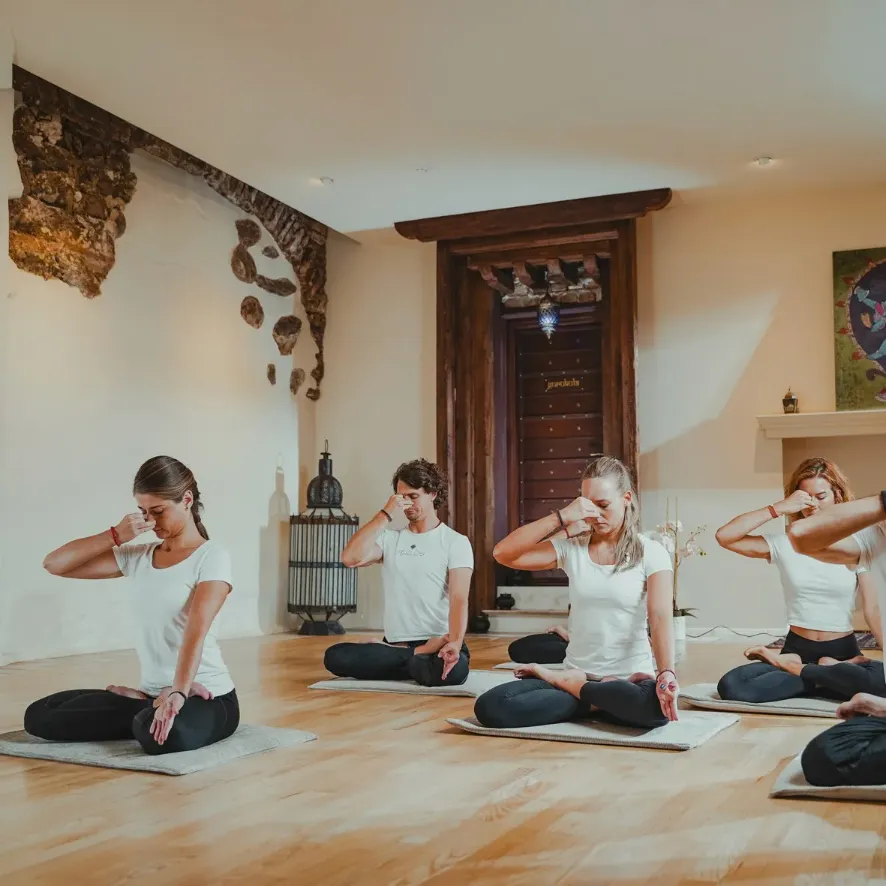
During pranayama practice, one learns to consciously regulate and extend breathing. By observing the airflow, the ability to fully utilize the entire lung volume is developed. In this way, through continuous pranayama practice, a person's lung capacity increases, and respiratory organs begin to efficiently supply all body cells with oxygen. Thanks to the practice of breath regulation, the senses and mind begin to calm down, and inner peace manifests.
Most of the time, a person breathes without giving a thought to the importance of breathing. When breathing, they do not use the entire lung volume, resulting in superficial breathing. Also, due to experienced stress and tension, the flow of breathing becomes disrupted, and this has a negative impact on the body's functioning. The practice of pranayama helps restore disrupted breathing, eliminates tension, and improves the functioning of the nervous system and the entire organism.
How is pranayama practice performed?
During pranayama practice, one learns to consciously regulate and extend breathing. By observing the airflow, the ability to fully utilize the entire lung volume is developed. In this way, through continuous pranayama practice, a person's lung capacity increases, and respiratory organs begin to efficiently supply all body cells with oxygen. Thanks to the practice of breath regulation, the senses and mind begin to calm down, and inner peace manifests.
Most of the time, a person breathes without giving a thought to the importance of breathing. When breathing, they do not use the entire lung volume, resulting in superficial breathing. Also, due to experienced stress and tension, the flow of breathing becomes disrupted, and this has a negative impact on the body's functioning. The practice of pranayama helps restore disrupted breathing, eliminates tension, and improves the functioning of the nervous system and the entire organism.
How is pranayama practice performed?
During pranayama practice, one learns to consciously regulate and extend breathing. By observing the airflow, the ability to fully utilize the entire lung volume is developed. In this way, through continuous pranayama practice, a person's lung capacity increases, and respiratory organs begin to efficiently supply all body cells with oxygen. Thanks to the practice of breath regulation, the senses and mind begin to calm down, and inner peace manifests.
Most of the time, a person breathes without giving a thought to the importance of breathing. When breathing, they do not use the entire lung volume, resulting in superficial breathing. Also, due to experienced stress and tension, the flow of breathing becomes disrupted, and this has a negative impact on the body's functioning. The practice of pranayama helps restore disrupted breathing, eliminates tension, and improves the functioning of the nervous system and the entire organism.
Pranayama practices at the ashram
Pranayama at the ashram takes place twice a week, and one class lasts 1 hour.
Mondays feature Pranayama I - basic level practice, and Wednesdays feature Pranayama II - Advanced level practice.
To see the exact time or possible changes, check the schedule of classes.
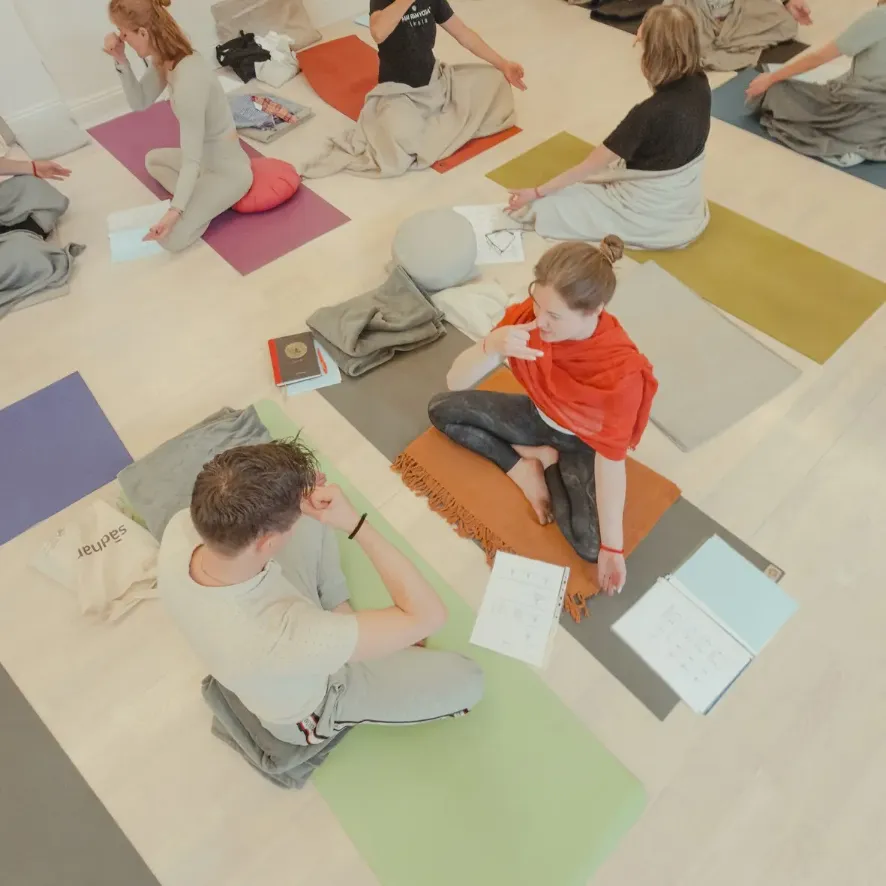
To master pranayama, an experienced teacher is necessary, otherwise, the practice of pranayama can be dangerous. Therefore, before starting to attend breathing practices, it is necessary to complete the course "Introduction to Pranayama Practice", which is regularly held at the ashram twice a year - in spring and autumn.
Pranayama practices at the ashram
Pranayama at the ashram takes place twice a week, and one class lasts 1 hour.
Mondays feature Pranayama I - basic level practice, and Wednesdays feature Pranayama II - Advanced level practice.
To see the exact time or possible changes, check the schedule of classes.
To master pranayama, an experienced teacher is necessary, otherwise, the practice of pranayama can be dangerous. Therefore, before starting to attend breathing practices, it is necessary to complete the course "Introduction to Pranayama Practice", which is regularly held at the ashram twice a year - in spring and autumn.
Pranayama practices at the ashram
Pranayama at the ashram takes place twice a week, and one class lasts 1 hour.
Mondays feature Pranayama I - basic level practice, and Wednesdays feature Pranayama II - Advanced level practice.
To see the exact time or possible changes, check the schedule of classes.
To master pranayama, an experienced teacher is necessary, otherwise, the practice of pranayama can be dangerous. Therefore, before starting to attend breathing practices, it is necessary to complete the course "Introduction to Pranayama Practice", which is regularly held at the ashram twice a year - in spring and autumn.
Mai Ram Yoga pranayama techniques
Mai Ram Yoga pranayama techniques offer the opportunity to learn and practice in stages and are divided into:
Pranayama I – Basic level breathing practice for beginners. Basic pranayama is intended for beginners, during which a conscious and correct breathing rhythm is developed, and the respiratory system is strengthened. During the practice, the body is cleansed of pollutants, and various blocks that hinder the free flow of vital energy in the body are removed. Basic pranayama provides vigor, tones the body, reduces tension, improves concentration, and prepares the body and mind for deeper pranayama and other yoga practices.
Pranayama II – Advanced I level breathing practice for advanced practitioners. Advanced pranayama is a breathing practice designed for advanced practitioners, which allows for even deeper mastery of conscious breathing, regulation of prolonged and expanded breathing, and its effect on the body.
Mai Ram Yoga Pranayama individual practice, designed for self-practice at home. It calms the mind after a day of work, preparing for a peaceful sleep and good rest. In the morning, pranayama practice activates the body and improves the functioning of the nervous system.
Mai Ram Yoga pranayama techniques
Mai Ram Yoga pranayama techniques offer the opportunity to learn and practice in stages and are divided into:
Pranayama I – Basic level breathing practice for beginners. Basic pranayama is intended for beginners, during which a conscious and correct breathing rhythm is developed, and the respiratory system is strengthened. During the practice, the body is cleansed of pollutants, and various blocks that hinder the free flow of vital energy in the body are removed. Basic pranayama provides vigor, tones the body, reduces tension, improves concentration, and prepares the body and mind for deeper pranayama and other yoga practices.
Pranayama II – Advanced I level breathing practice for advanced practitioners. Advanced pranayama is a breathing practice designed for advanced practitioners, which allows for even deeper mastery of conscious breathing, regulation of prolonged and expanded breathing, and its effect on the body.
Mai Ram Yoga Pranayama individual practice, designed for self-practice at home. It calms the mind after a day of work, preparing for a peaceful sleep and good rest. In the morning, pranayama practice activates the body and improves the functioning of the nervous system.
Mai Ram Yoga pranayama techniques
Mai Ram Yoga pranayama techniques offer the opportunity to learn and practice in stages and are divided into:
Pranayama I – Basic level breathing practice for beginners. Basic pranayama is intended for beginners, during which a conscious and correct breathing rhythm is developed, and the respiratory system is strengthened. During the practice, the body is cleansed of pollutants, and various blocks that hinder the free flow of vital energy in the body are removed. Basic pranayama provides vigor, tones the body, reduces tension, improves concentration, and prepares the body and mind for deeper pranayama and other yoga practices.
Pranayama II – Advanced I level breathing practice for advanced practitioners. Advanced pranayama is a breathing practice designed for advanced practitioners, which allows for even deeper mastery of conscious breathing, regulation of prolonged and expanded breathing, and its effect on the body.
Mai Ram Yoga Pranayama individual practice, designed for self-practice at home. It calms the mind after a day of work, preparing for a peaceful sleep and good rest. In the morning, pranayama practice activates the body and improves the functioning of the nervous system.
Upcoming course
Mai Ram Yoga Ashram
Augustijonų g. 2, Vilnius, Lithuania tel.: +370 640 416 69
info@mairamyoga.lt


Mai Ram Yoga Ashram
Augustijonų g. 2, Vilnius, Lithuania tel.: +370 640 416 69
info@mairamyoga.lt
Mai Ram Yoga Ashram
Augustijonų g. 2, Vilnius, Lithuania tel.: +370 640 416 69
info@mairamyoga.lt