Back

Meditation Practice
Each of us seeks inner peace. But how do we achieve it?
One of the most effective ways is the practice of meditation.
This is the fundamental discipline of yoga, promoting spiritual knowledge and development.
Meditation Practice
Each of us seeks inner peace. But how do we achieve it?
One of the most effective ways is the practice of meditation.
This is the fundamental discipline of yoga, promoting spiritual knowledge and development.
Meditation Practice
Each of us seeks inner peace. But how do we achieve it?
One of the most effective ways is the practice of meditation.
This is the fundamental discipline of yoga, promoting spiritual knowledge and development.
What is Meditation Practice?
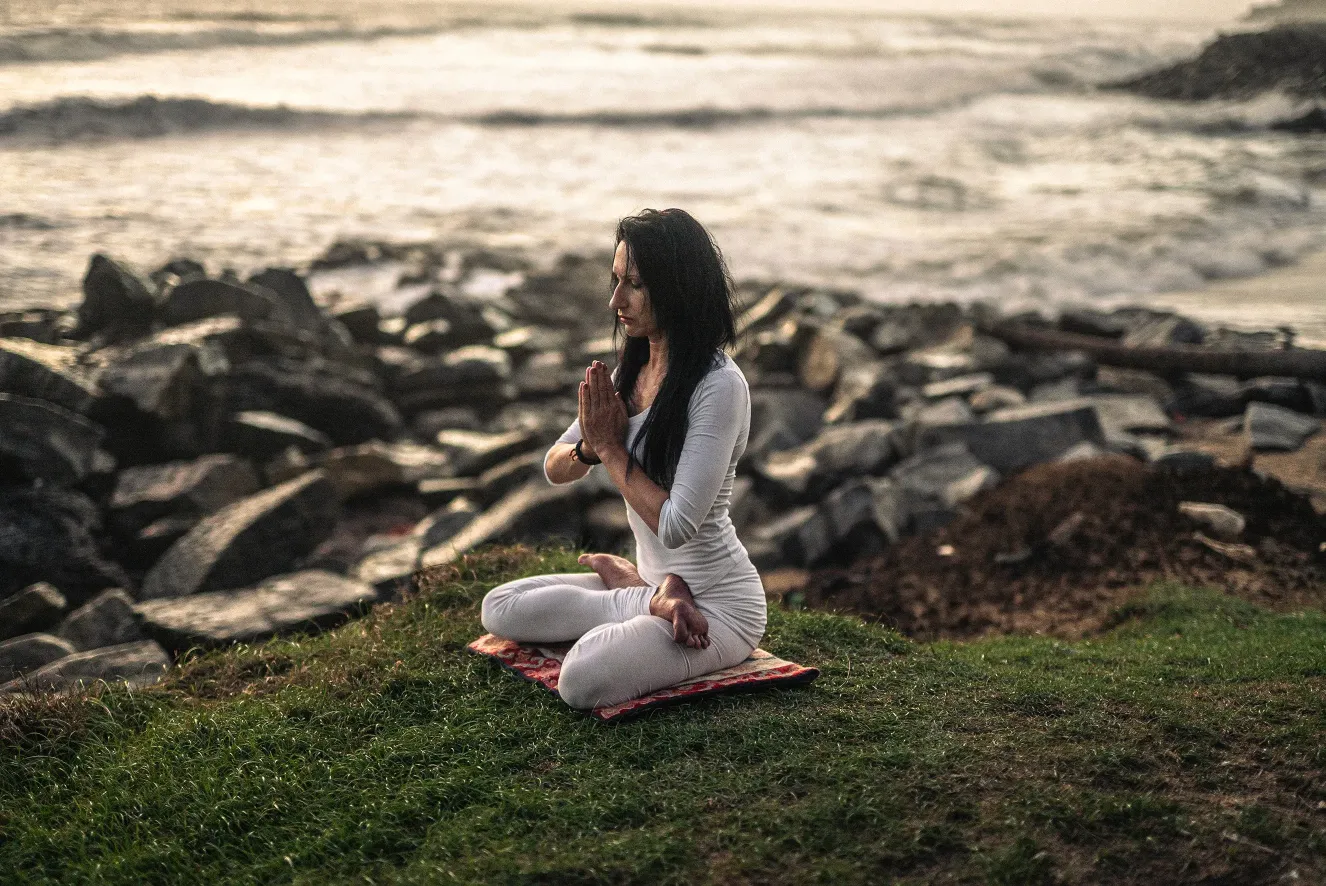
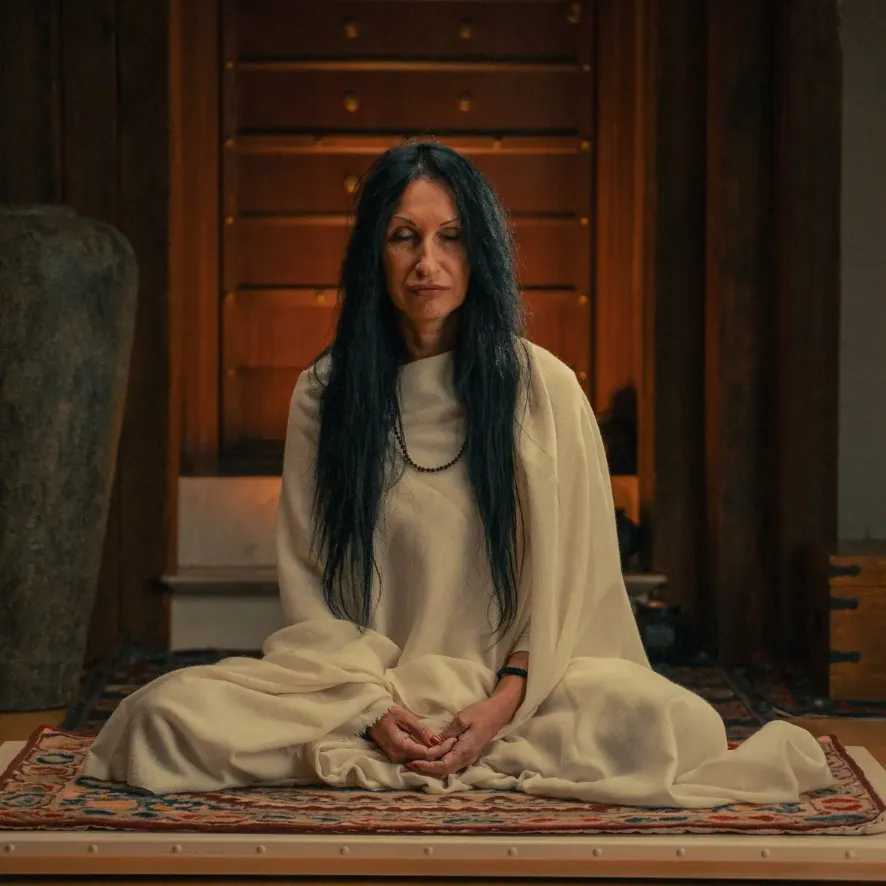
In the yoga tradition, meditation is a practice designed to calm the mind, focus attention, and achieve inner peace and awareness. Meditation practice helps maintain inner balance and deepens the understanding of what fosters spiritual growth.
Meditation, also called dhyana (Sanskrit: ध्यान dhyāna), is one of the higher stages of yoga, where focused consciousness flows single-pointedly and uninterruptedly towards a single sacred object, unlike concentration, known as dharana (Sanskrit: धारणा dhāraṇā), where the mind can still wander. Thus, the goal of meditation is a single-pointed focus of consciousness, which is essential for achieving a higher level of awareness, inner liberation, and ultimate unity with the spiritual essence.
In the yoga tradition, meditation is the main tool that helps a yogi achieve self-knowledge, purify the consciousness of ignorance and other impurities, and calm the mind. Meditation practice leads to the highest state of consciousness, in which the mind achieves inner peace and silence. This state is required to achieve the goal of yoga - merging with the Self.
What is Meditation Practice?
In the yoga tradition, meditation is a practice designed to calm the mind, focus attention, and achieve inner peace and awareness. Meditation practice helps maintain inner balance and deepens the understanding of what fosters spiritual growth.
Meditation, also called dhyana (Sanskrit: ध्यान dhyāna), is one of the higher stages of yoga, where focused consciousness flows single-pointedly and uninterruptedly towards a single sacred object, unlike concentration, known as dharana (Sanskrit: धारणा dhāraṇā), where the mind can still wander. Thus, the goal of meditation is a single-pointed focus of consciousness, which is essential for achieving a higher level of awareness, inner liberation, and ultimate unity with the spiritual essence.
In the yoga tradition, meditation is the main tool that helps a yogi achieve self-knowledge, purify the consciousness of ignorance and other impurities, and calm the mind. Meditation practice leads to the highest state of consciousness, in which the mind achieves inner peace and silence. This state is required to achieve the goal of yoga - merging with the Self.
What is Meditation Practice?
In the yoga tradition, meditation is a practice designed to calm the mind, focus attention, and achieve inner peace and awareness. Meditation practice helps maintain inner balance and deepens the understanding of what fosters spiritual growth.
Meditation, also called dhyana (Sanskrit: ध्यान dhyāna), is one of the higher stages of yoga, where focused consciousness flows single-pointedly and uninterruptedly towards a single sacred object, unlike concentration, known as dharana (Sanskrit: धारणा dhāraṇā), where the mind can still wander. Thus, the goal of meditation is a single-pointed focus of consciousness, which is essential for achieving a higher level of awareness, inner liberation, and ultimate unity with the spiritual essence.
In the yoga tradition, meditation is the main tool that helps a yogi achieve self-knowledge, purify the consciousness of ignorance and other impurities, and calm the mind. Meditation practice leads to the highest state of consciousness, in which the mind achieves inner peace and silence. This state is required to achieve the goal of yoga - merging with the Self.
Benefits of Meditation Practice in Yoga Teachings
By practicing meditation, a person develops the ability to focus and maintain attentiveness for a long time. This allows the mind to calm down, relax, improves emotional regulation by reducing the frequency and intensity of negative reactions, and cultivates self-observation and deeper self-knowledge. Meditation practice is an essential part of the yoga teaching aimed at human spiritual growth.
Benefits of Meditation Practice in Yoga Teachings
By practicing meditation, a person develops the ability to focus and maintain attentiveness for a long time. This allows the mind to calm down, relax, improves emotional regulation by reducing the frequency and intensity of negative reactions, and cultivates self-observation and deeper self-knowledge. Meditation practice is an essential part of the yoga teaching aimed at human spiritual growth.
Benefits of Meditation Practice in Yoga Teachings
By practicing meditation, a person develops the ability to focus and maintain attentiveness for a long time. This allows the mind to calm down, relax, improves emotional regulation by reducing the frequency and intensity of negative reactions, and cultivates self-observation and deeper self-knowledge. Meditation practice is an essential part of the yoga teaching aimed at human spiritual growth.
Meditation Practice at the Ashram
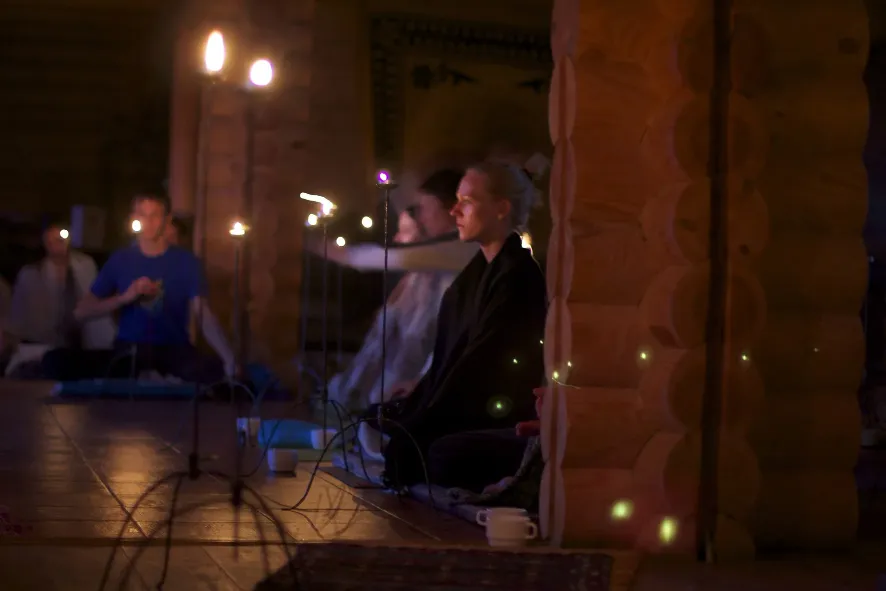
In order to liberate oneself from the flow of thoughts, achieve peace of mind, inner harmony, and spiritual growth, the following meditation practices of the yoga tradition are practiced in the ashram:
mantra meditation (Sanskrit: japa)
svarupa darshana - meditation on the true nature
jyotir dharana - meditation on the Divine glow
Meditation Practice at the Ashram
In order to liberate oneself from the flow of thoughts, achieve peace of mind, inner harmony, and spiritual growth, the following meditation practices of the yoga tradition are practiced in the ashram:
mantra meditation (Sanskrit: japa)
svarupa darshana - meditation on the true nature
jyotir dharana - meditation on the Divine glow
Meditation Practice at the Ashram
In order to liberate oneself from the flow of thoughts, achieve peace of mind, inner harmony, and spiritual growth, the following meditation practices of the yoga tradition are practiced in the ashram:
mantra meditation (Sanskrit: japa)
svarupa darshana - meditation on the true nature
jyotir dharana - meditation on the Divine glow
Kriya I meditation, consisting of:
Nada sanchalana meditative kriya
Ajapa Gayatri sanchalana meditative kriya
Kriya I meditation, consisting of:
Nada sanchalana meditative kriya
Ajapa Gayatri sanchalana meditative kriya
Kriya I meditation, consisting of:
Nada sanchalana meditative kriya
Ajapa Gayatri sanchalana meditative kriya
Kriya II meditation, consisting of:
Mula sanchalana meditative kriya
Prana sanchalana meditative kriya
Agni Ram sanchalana meditative kriya
Beeja mantra sanchalana meditative kriya
Kriya II meditation, consisting of:
Mula sanchalana meditative kriya
Prana sanchalana meditative kriya
Agni Ram sanchalana meditative kriya
Beeja mantra sanchalana meditative kriya
Kriya II meditation, consisting of:
Mula sanchalana meditative kriya
Prana sanchalana meditative kriya
Agni Ram sanchalana meditative kriya
Beeja mantra sanchalana meditative kriya
Kriya I and Kriya II meditation can only be practiced after taking the course "Introduction to Mai Ram Yoga Kriya Meditation Practice", which takes place twice a year, in autumn and spring. Exact dates are specified on the website's news page.
The course "Introduction to Mai Ram Yoga Kriya Meditation Practice" consists of two levels and initiation:
First meditation level "Introduction to Mai Ram Yoga Kriya I Meditation Practice". Course duration: 3 hours.
Second meditation level "Introduction to Mai Ram Yoga Kriya II Meditation Practice". Course duration: 3 hours.
Total course duration: 6 hours.
Kriya I and Kriya II meditation can only be practiced after taking the course "Introduction to Mai Ram Yoga Kriya Meditation Practice", which takes place twice a year, in autumn and spring. Exact dates are specified on the website's news page.
The course "Introduction to Mai Ram Yoga Kriya Meditation Practice" consists of two levels and initiation:
First meditation level "Introduction to Mai Ram Yoga Kriya I Meditation Practice". Course duration: 3 hours.
Second meditation level "Introduction to Mai Ram Yoga Kriya II Meditation Practice". Course duration: 3 hours.
Total course duration: 6 hours.
Kriya I and Kriya II meditation can only be practiced after taking the course "Introduction to Mai Ram Yoga Kriya Meditation Practice", which takes place twice a year, in autumn and spring. Exact dates are specified on the website's news page.
The course "Introduction to Mai Ram Yoga Kriya Meditation Practice" consists of two levels and initiation:
First meditation level "Introduction to Mai Ram Yoga Kriya I Meditation Practice". Course duration: 3 hours.
Second meditation level "Introduction to Mai Ram Yoga Kriya II Meditation Practice". Course duration: 3 hours.
Total course duration: 6 hours.
The Tradition of Meditation Practice and Its Roots
Mai Ram Yoga meditation practices have deep roots in the ancient Indian spiritual practices of yoga and tantra. The masters of the Natha lineage not only spread yoga knowledge, but also emphasized the importance of the Guru and disciple (Guru-shishya) transmission in spiritual experience. Mai Ram Yoga meditative techniques teach conscious energy management, harmonization of human psycho-physiological processes, and transcendence of the mind. As a successor to the Natha tradition, Guru Mai Ram adapted the authentic teaching for modern people, while maintaining its essence. The yoga tradition emphasizes not only the practice techniques but also a conscious lifestyle that leads to self-discovery, self-realization, and inner harmony. Therefore, Mai Ram Yoga meditation (dharana, dhyana) is not just calming the mind, but a deep transformative practice that allows one to realize their true nature.
The Tradition of Meditation Practice and Its Roots
Mai Ram Yoga meditation practices have deep roots in the ancient Indian spiritual practices of yoga and tantra. The masters of the Natha lineage not only spread yoga knowledge, but also emphasized the importance of the Guru and disciple (Guru-shishya) transmission in spiritual experience. Mai Ram Yoga meditative techniques teach conscious energy management, harmonization of human psycho-physiological processes, and transcendence of the mind. As a successor to the Natha tradition, Guru Mai Ram adapted the authentic teaching for modern people, while maintaining its essence. The yoga tradition emphasizes not only the practice techniques but also a conscious lifestyle that leads to self-discovery, self-realization, and inner harmony. Therefore, Mai Ram Yoga meditation (dharana, dhyana) is not just calming the mind, but a deep transformative practice that allows one to realize their true nature.
The Tradition of Meditation Practice and Its Roots
Mai Ram Yoga meditation practices have deep roots in the ancient Indian spiritual practices of yoga and tantra. The masters of the Natha lineage not only spread yoga knowledge, but also emphasized the importance of the Guru and disciple (Guru-shishya) transmission in spiritual experience. Mai Ram Yoga meditative techniques teach conscious energy management, harmonization of human psycho-physiological processes, and transcendence of the mind. As a successor to the Natha tradition, Guru Mai Ram adapted the authentic teaching for modern people, while maintaining its essence. The yoga tradition emphasizes not only the practice techniques but also a conscious lifestyle that leads to self-discovery, self-realization, and inner harmony. Therefore, Mai Ram Yoga meditation (dharana, dhyana) is not just calming the mind, but a deep transformative practice that allows one to realize their true nature.
Upcoming course
Mai Ram Yoga Ashram
Augustijonų g. 2, Vilnius, Lithuania tel.: +370 640 416 69
info@mairamyoga.lt


Mai Ram Yoga Ashram
Augustijonų g. 2, Vilnius, Lithuania tel.: +370 640 416 69
info@mairamyoga.lt
Mai Ram Yoga Ashram
Augustijonų g. 2, Vilnius, Lithuania tel.: +370 640 416 69
info@mairamyoga.lt